ROCKWOOL Insulation products are made of basalt, a volcanic stone, which is the world’s most abundant natural resource. Rockwool products are non-combustible with a melting point more than 1000°C.

They are particularly suitable for thermal insulation, fire protection and sound reduction or absorption. Rockwool is inorganic and contains no nutritious substances. Therefore it will not be attacked by microorganisms.

Rockwool will not rot and does not attract vermin and free from asbestos.

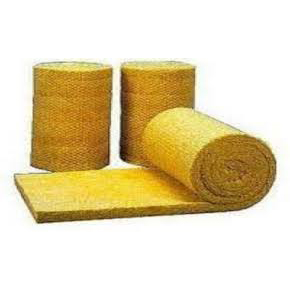
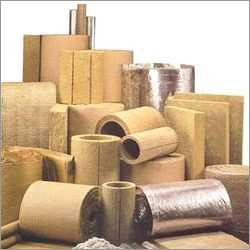
Available in: Building Rolls, RB Slabs, LRB MATTRESS, Pipe Insulation, TUFF LAMELLA & TUFF RIGID BOARD with facing Aluminum Foil (FSK) / Aluglass (ALG)

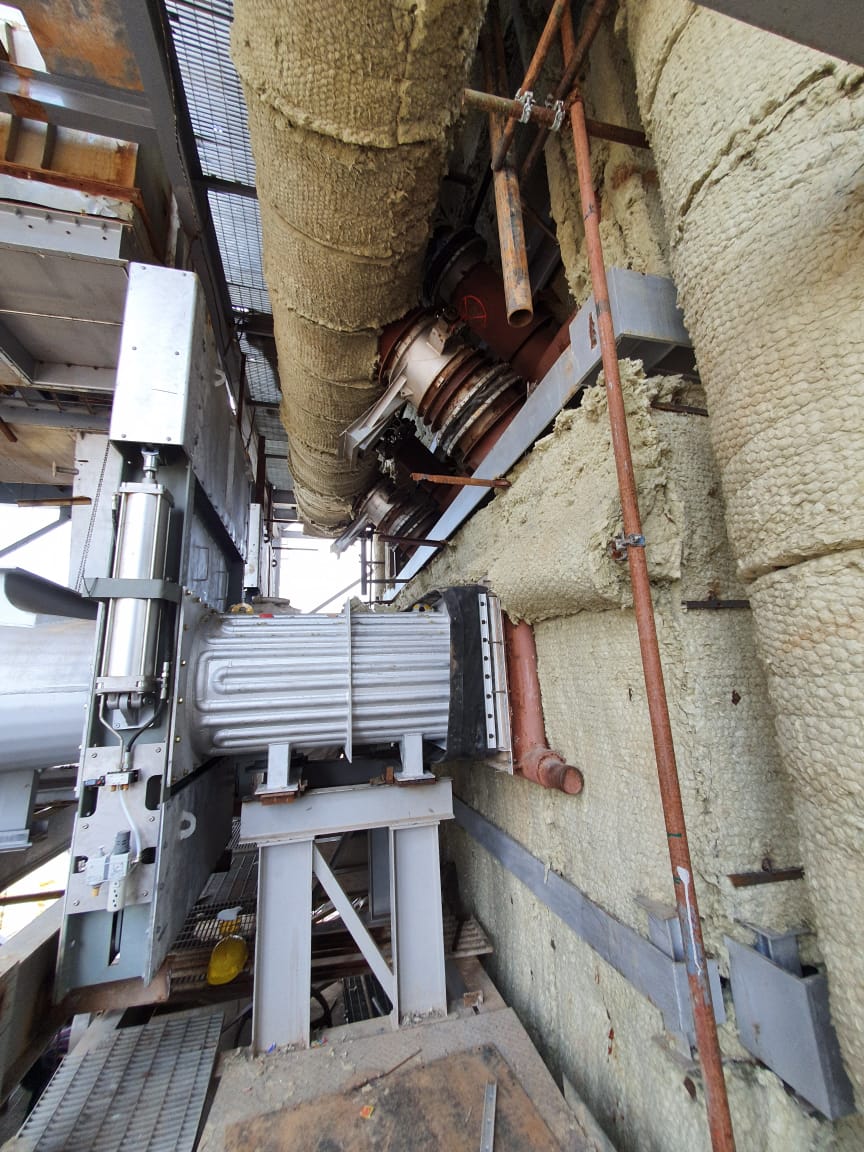
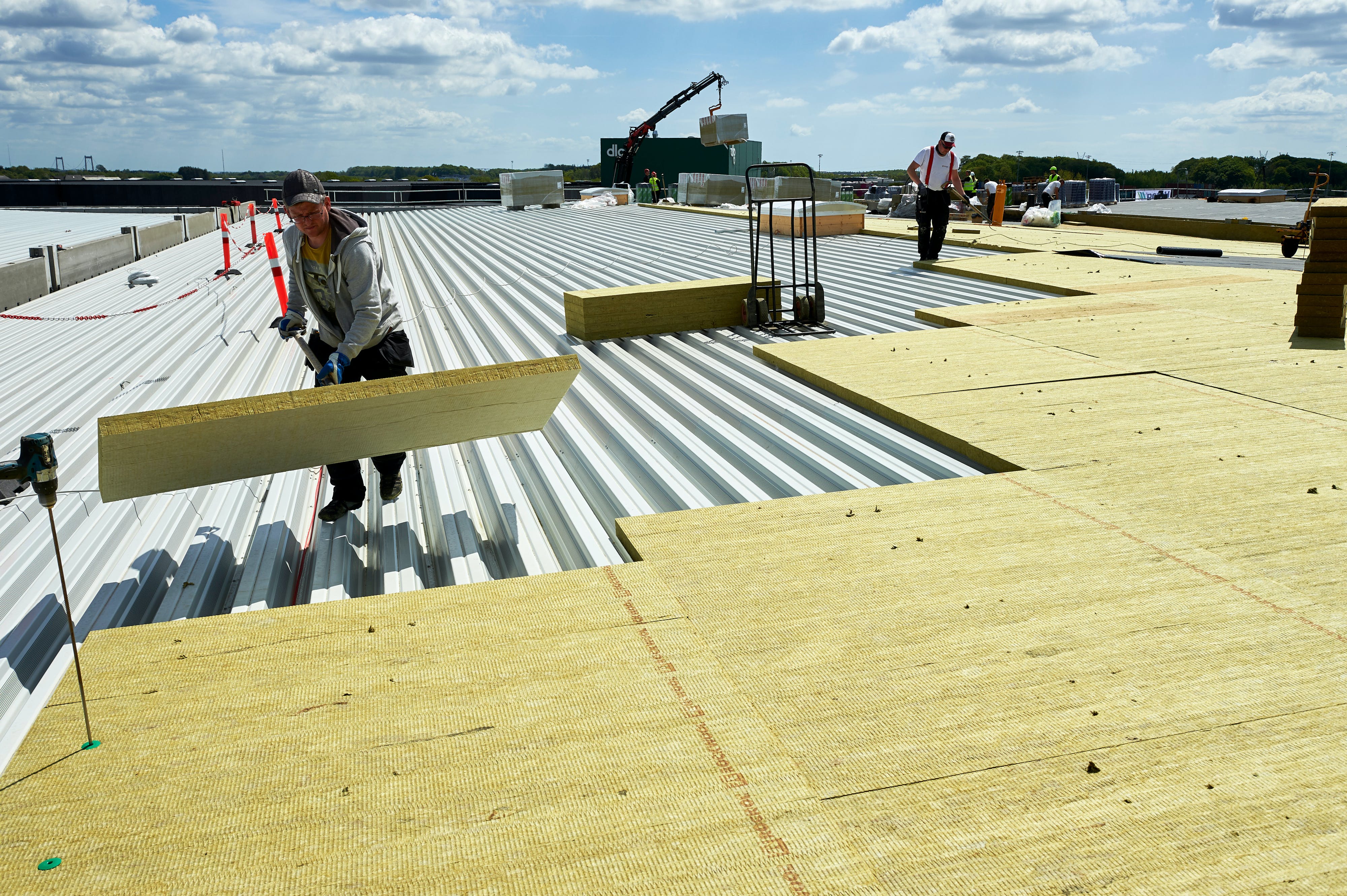
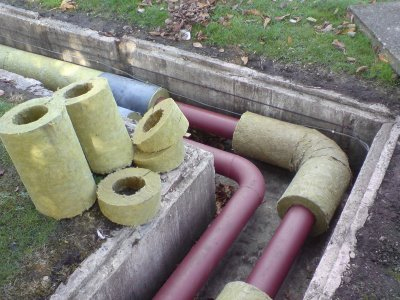
Rockwool Application Areas: Under-Deck Insulation, Over-Deck Insulation, Acoustic Insulation, Hot & Furnace Insulation, Pipe Insulation, Etc.
Our Application

Hot Insulation
Over-Deck Insulation
Pipe Insulation

Frequently Asked Questions

1. What is Rockwool Insulation used for?

Rockwool insulation is commonly used in walls, roofs, HVAC systems, industrial equipment, and fire protection systems where thermal insulation, sound absorption, and fire resistance are required.

2. What are the benefits of Rockwool Insulation?

Rockwool insulation offers excellent thermal insulation, strong fire resistance, sound absorption, durability, and moisture resistance. It also helps improve energy efficiency and indoor comfort in residential, commercial, and industrial buildings.

3. Is Rockwool Insulation fire resistant?

Yes, rockwool insulation is highly fire resistant because it is made from natural stone fibers that can withstand very high temperatures without melting or producing smoke.

4. Does Rockwool Insulation provide sound insulation?

Yes, the dense fiber structure of rockwool insulation absorbs sound waves effectively, making it suitable for acoustic insulation in walls, ceilings, and industrial facilities.

5. Where can Rockwool Insulation be installed?

Rockwool insulation can be installed in roof systems, wall cavities, HVAC ducts, industrial equipment, pipe insulation systems, and acoustic panels.

6. Is Rockwool Insulation water resistant?

Rockwool insulation is designed to resist moisture and maintain its insulation performance even in humid environments.

7. What thickness options are available for Rockwool Insulation?

Rockwool insulation is available in various thicknesses, densities, and board or blanket formats depending on the thermal and acoustic insulation requirements.

8. Is Rockwool Insulation suitable for industrial applications?

Yes, rockwool insulation is widely used in industrial plants, power stations, refineries, and manufacturing facilities because of its thermal stability and fire resistance.

9. Why choose Pararth Products Rockwool Insulation?

Pararth rockwool insulation provides durable thermal performance, excellent fire resistance, and effective sound insulation for residential, commercial, and industrial insulation applications.

10. What is the difference between rockwool and fiberglass insulation?

Rockwool Insulation is made from natural basalt rock, while Fiberglass Insulation is made from fine glass fibers. Rockwool typically offers better fire resistance and sound absorption, while fiberglass is lighter and often more cost-effective.

11. Is rockwool insulation environmentally friendly?

Yes, rockwool insulation is considered environmentally friendly because it is made from natural stone and often includes recycled materials. It is also durable, energy efficient, and helps reduce energy consumption in buildings.

12. How long does rockwool insulation last?

Rockwool insulation is highly durable and can last for several decades when installed properly. It maintains its thermal and acoustic performance over time and does not easily degrade under normal building conditions.

13. Is rockwool insulation good for soundproofing?

Yes, rockwool insulation is effective for soundproofing because its dense fiber structure absorbs sound waves. It is commonly used in walls, ceilings, and acoustic panels to reduce noise transmission.

14. Can rockwool insulation handle high temperatures?

Yes, rockwool insulation can withstand very high temperatures due to its mineral composition. This makes it suitable for fire protection systems and high-temperature industrial insulation applications.

15. Is rockwool insulation suitable for residential buildings?

Yes, rockwool insulation is widely used in residential buildings for roof, wall, and floor insulation. It helps improve energy efficiency, fire safety, and indoor acoustic comfort.

16. Does rockwool insulation absorb moisture?

Rockwool insulation is designed to resist moisture and maintain its insulation performance. Its fiber structure allows water to drain while retaining thermal and acoustic properties.

Get a quick insulation quote

Share your requirements and our team will connect with you shortly.

Please fill the form to download the brochure

We’ll contact you with more details based on your requirement.

whatsapp