
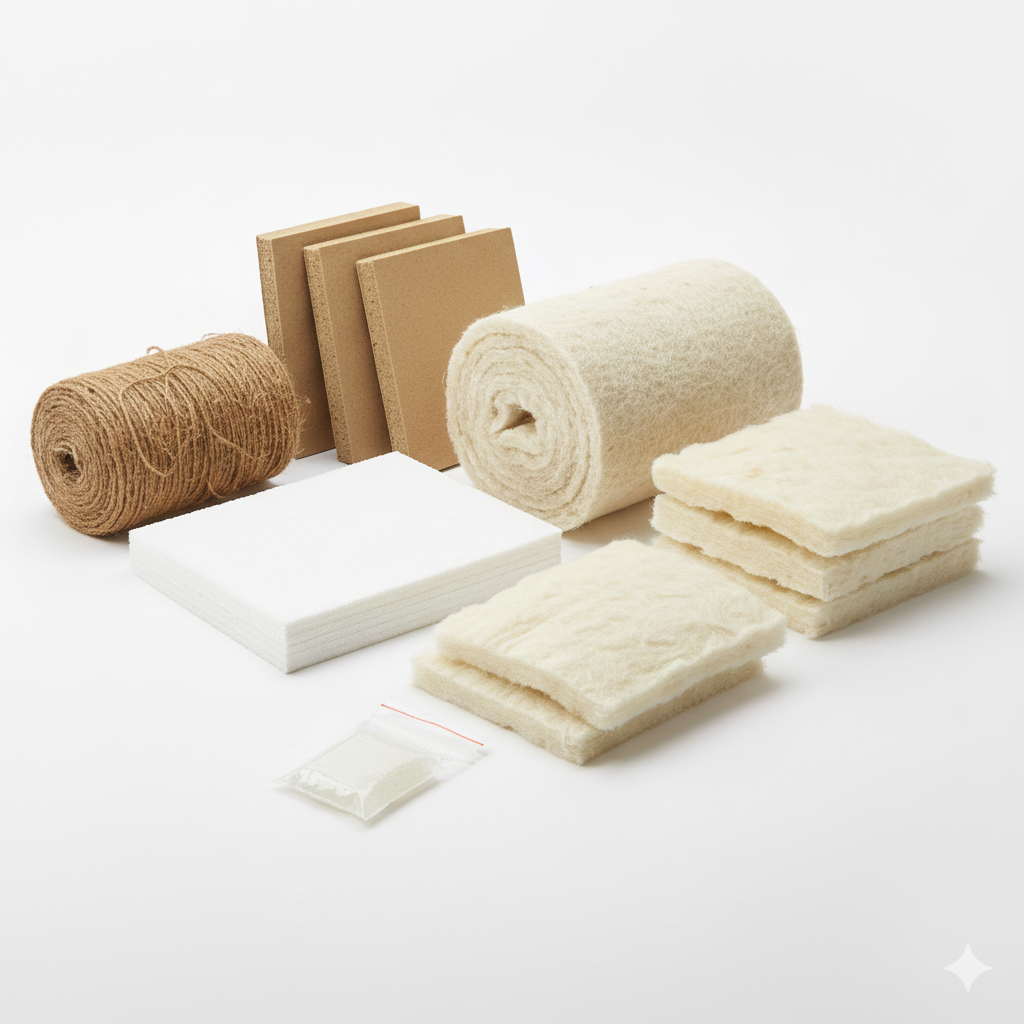
Introduction: Why Insulation Material Matters More Than Ever in India
India is witnessing rapid urbanization, rising temperatures, and increasing energy costs. By 2026, buildings that are not energy-efficient will become expensive to maintain and uncomfortable to live or work in. One of the most effective ways to control heat, reduce electricity consumption, and improve indoor comfort is by choosing the right Insulation Material.
Insulation Material plays a crucial role in modern construction by reducing heat transfer, improving thermal efficiency, controlling noise, and enhancing overall building durability. Whether it is a residential home, commercial complex, industrial warehouse, or institutional building, selecting the right insulation solution is no longer optional it is a necessity.
This 2026 guide will help you understand:
- The best Insulation Materials for roofs, walls, and buildings
- How insulation works in Indian climate conditions
- Future-ready insulation trends
- How to choose the right insulation based on usage, climate, and budget
What Is Insulation Material?
Insulation Material refers to construction materials designed to reduce the flow of heat, sound, or electricity between two surfaces. In buildings, insulation primarily controls heat movement, keeping interiors cooler in summer and warmer in winter.
In India’s hot and mixed climate zones, Insulation Material helps:
- Reduce indoor heat gain
- Minimize air-conditioning usage
- Lower electricity bills
- Improve indoor comfort
- Increase building lifespan
Importance of Insulation Material in Indian Climate (2026 Outlook)
India faces extreme climatic conditions:
- Long summers with temperatures exceeding 45°C
- High humidity in coastal regions
- Cold winters in northern states
- Rising energy tariffs
By 2026, energy-efficient buildings will dominate real estate development. Proper Insulation Material helps meet green building standards such as IGBC and GRIHA while offering long-term cost savings.
Key Benefits:
- Up to 40% reduction in cooling costs
- Improved indoor temperature stability
- Reduced carbon footprint
- Better resale value of the property
How Insulation Works in Buildings
Insulation Material works by slowing down heat transfer through:
- Conduction (heat moving through solid materials)
- Convection (heat movement through air)
- Radiation (heat from the sun)
Different insulation materials address one or more of these heat transfer modes, making them suitable for specific applications like roofs, walls, or industrial buildings.
Best Options for Wall Thermal Protection in India
Roofs are the most exposed part of a building and receive direct sunlight for most of the day. Choosing the right Insulation Material for roofs is critical.
1. PUF Panel
PUF is one of the most efficient materials available today.
Advantages:
- Very low thermal conductivity
- Lightweight and durable
- Excellent for hot climates
- Long lifespan (20–30 years)
Best for:
- Industrial sheds
- Warehouses
- Cold storage
- Commercial buildings
2. XPS
XPS is widely used in residential and commercial roofing systems.
Advantages:
- High compressive strength
- Water-resistant
- Stable thermal performance
Best for:
- Flat roofs
- Terrace insulation
- Parking decks
3. Cool Roof Insulation Systems
Cool roof systems combine reflective coatings with insulation layers.
Future relevance (2026):
- Reduces urban heat island effect
- Government-recommended in many states
- Ideal for sustainable construction
Best Insulation Material for Walls in India
Wall insulation improves both thermal comfort and sound control.
1. Rock Wool Insulation
Rock wool is made from natural basalt rock and is one of the most versatile Insulation Materials.
Benefits:
- Fire-resistant
- Excellent sound insulation
- Moisture-resistant
Best for:
- Apartments
- Hospitals
- Commercial buildings
2. Glass Wool Insulation
Glass wool remains a popular Insulation Material due to affordability.
Benefits:
- Lightweight
- Easy to install
- Good thermal and acoustic performance
Best for:
- Office partitions
- False ceilings
- Commercial interiors
3. AAC Blocks with Integrated Insulation
AAC blocks provide built-in insulation.
Why future-ready:
- Faster construction
- Reduced material usage
- Energy-efficient design
Best Insulation Material for Industrial & Commercial Buildings
Large buildings require high-performance insulation solutions.
1. PUF / PIR Sandwich Panels
Sandwich panels combine metal sheets with an insulation core.
Applications:
- Warehouses
- Pharmaceutical units
- Data centers
- Food processing plants
2026 demand drivers:
- Industrial growth
- Cold chain expansion
- Smart manufacturing
2. Ceramic Fiber Insulation Material
Used in high-temperature industrial applications.
Best for:
- Boilers
- Furnaces
- Power plants
Thermal vs Acoustic Protection: Key Differences
| Feature | Thermal Insulation Material | Acoustic Insulation Material |
| Purpose | Controls heat | Controls noise |
| Common Types | PUF, XPS, EPS | Rock wool, glass wool |
| Usage | Roofs, walls, floors | Studios, offices, hospitals |
Many modern Materials provide both thermal and acoustic benefits.
Eco-Friendly & Sustainable Building Solutions (2026 Trend)
Sustainability is a major focus for future construction.
Popular Eco-Friendly Options:
- Recycled mineral wool
- Natural fiber insulation
- Low-VOC foam insulation
Why it matters:
- Lower environmental impact
- Better indoor air quality
- Compliance with green building norms
How to Choose the Right Thermal Solution for Your Building
When selecting Insulation Material, consider:
- Climate zone
- Roof or wall type
- Fire safety requirements
- Moisture resistance
- Budget and ROI
Choosing the right solution ensures long-term comfort and energy savings.
Future Trends in Insulation Material (Beyond 2026)
- Aerogel insulation is becoming affordable
- Smart insulation systems
- Improved fire-resistant materials
- Government incentives for energy-efficient buildings
Common Mistakes to Avoid
- Choosing insulation based on price alone
- Ignoring local climate conditions
- Improper installation
- Not considering fire safety standards
FAQs – Insulation Material
Q1. Which Insulation Material is best for the Indian climate?
PUF, Rock Wool, and XPS are best suited for Indian conditions.
Q2. How long does Insulation Material last?
Most quality insulation materials last 20–30 years.
Q3. Is insulation worth the investment?
Yes, insulation reduces energy costs and improves comfort long-term.
Conclusion: Why Insulation Material Is a Smart Investment in 2026
Choosing the right Insulation Material is one of the smartest decisions for any building in India. With rising temperatures, energy costs, and sustainability requirements, insulation is no longer optional. Whether for roofs, walls, or industrial buildings, the right insulation solution ensures comfort, savings, and future compliance. Contact Now Pararth Product PVt Ltd.