
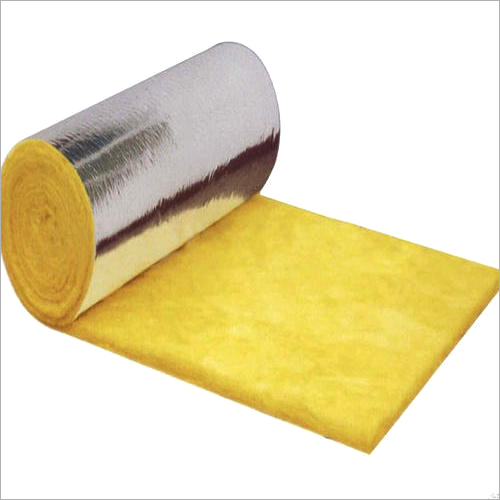
Are you looking for effective thermal and acoustic insulation solutions for your building project in India? Glass wool insulation has become the go-to choice for architects, builders, and homeowners across Ahmedabad, Thane, Indore, Hyderabad, and beyond. This comprehensive 2025 guide covers everything you need to know about glass wool insulation, from benefits and applications to pricing and installation tips.
What is Glass Wool Insulation?
Glass wool insulation, also known as fiberglass insulation or Glasswool, is a high-performance thermal and acoustic insulation material manufactured from recycled glass fibers. These fine glass fibers are spun and bonded together to create a lightweight, flexible material that traps air pockets, providing excellent insulation properties. In 2025, glass wool continues to dominate the Indian insulation market due to its versatility, affordability, and proven performance.
Key Benefits of Glass Wool Insulation
1. Superior Thermal Insulation Performance
Glass wool insulation offers outstanding thermal resistance, helping maintain comfortable indoor temperatures throughout India’s diverse climate zones. Whether you’re dealing with scorching summers in Ahmedabad or humid conditions in Thane, glass wool effectively reduces heat transfer by up to 60%, significantly lowering your energy bills.
Energy Savings: Buildings with proper glass wool insulation can reduce air conditioning costs by 30-50%, making it a smart long-term investment for both residential and commercial properties across Gujarat, Maharashtra, Madhya Pradesh, and Telangana.
2. Excellent Acoustic Insulation
Beyond thermal benefits, glass wool provides exceptional sound absorption capabilities. The fibrous structure effectively dampens noise pollution, making it ideal for:
- Residential apartments in busy urban areas like Thane and Hyderabad
- Commercial offices and conference rooms
- Recording studios and auditoriums
- HVAC ducts and mechanical equipment rooms
- Industrial facilities in Indore require noise control
3. Fire Resistance and Safety
Safety is paramount in construction. Glass wool insulation is naturally non-combustible and can withstand temperatures exceeding 700°C without melting or releasing toxic gases. This fire-resistant property makes it compliant with the National Building Code of India 2016 and essential for:
- High-rise buildings
- Commercial complexes
- Manufacturing facilities
- Healthcare and educational institutions
4. Eco-Friendly and Sustainable Solution
In 2025, sustainability matters more than ever. Glass wool insulation is manufactured using up to 80% recycled glass, making it an environmentally responsible choice. Over a building’s lifetime, it can reduce carbon emissions by approximately 150 metric tons, helping achieve:
- GRIHA (Green Rating for Integrated Habitat Assessment) certification
- IGBC (Indian Green Building Council) standards
- LEED compliance for green buildings
5. Moisture and Corrosion Resistance
Quality glass wool products resist moisture absorption, preventing mold growth, corrosion, and maintaining insulation efficiency for 15+ years. This durability is especially valuable in:
- Coastal areas like Thane with high humidity
- Industrial environments with chemical exposure
- Cold storage and food processing facilities
6. Lightweight and Easy Installation
Glass wool insulation is significantly lighter than traditional insulation materials, reducing structural load and installation time. This translates to lower labor costs and faster project completion across India.
Applications of Glass Wool Insulation in India
Residential Applications
Homeowners across Gujarat, Maharashtra, and throughout India use glass wool insulation for:
- Roof and Ceiling Insulation: Prevents heat gain in summer and heat loss in winter
- Wall Cavity Insulation: Maintains comfortable indoor temperatures year-round
- Floor Insulation: Reduces sound transmission between floors in multi-story homes
- HVAC Duct Insulation: Improves system efficiency and prevents condensation
- Acoustic Panels: Create quiet home theaters and music rooms
Commercial and Industrial Applications
Pre-Engineered Buildings (PEB): Glass wool rolls are extensively used in warehouses, factories, and logistics facilities across Ahmedabad, Indore, and industrial hubs.
Cold Storage Facilities: Essential for maintaining temperature in food processing, pharmaceutical storage, and cold chain logistics throughout India.
Manufacturing Plants: Provides thermal insulation for furnaces, boilers, and process equipment while reducing workplace noise in industrial facilities.
Data Centers: Critical for maintaining precise temperature control and reducing cooling costs in IT infrastructure across major cities.
Hotels and Hospitality: Ensures guest comfort through superior thermal and acoustic insulation in hotels across Thane, Hyderabad, and tourist destinations.
HVAC and Mechanical Applications
Glass wool insulation for HVAC systems prevents:
- Condensation on cold air ducts
- Heat loss from hot water pipes
- Energy waste in air handling units
- Noise from mechanical equipment
Specialized Applications in 2025
- Electric Vehicle Manufacturing: Thermal management in battery production facilities
- Renewable Energy Projects: Insulation for solar thermal systems and biogas plants
- Smart Buildings: Integration with building automation systems for optimal energy management
Types of Glass Wool Insulation Products
1. Glass Wool Rolls (Blankets)
Flexible rolls available in various thicknesses (25mm to 150mm) and widths. Ideal for large surface areas like roofs, walls, and ceilings. Easy to cut and install, making them popular for both new construction and renovation projects.
2. Glass Wool Rigid Boards
Semi-rigid or rigid boards offering higher density and compressive strength. Perfect for applications requiring structural integrity, such as:
- Exterior wall insulation
- Flat roof insulation
- Industrial equipment insulation
3. Glass Wool Loose Fill
Loose fibers blown into cavities, attics, or hard-to-reach spaces. Excellent for retrofitting existing buildings without major renovations.
4. Faced Glass Wool
Glass wool with protective facings such as:
- Aluminum Foil Facing (FSK): Vapor barrier for HVAC applications
- Black Glass Tissue: For aesthetic acoustic panels
- Wire Mesh Facing: For high-temperature industrial applications
How to Choose the Right Glass Wool Insulation
Consider These Factors:
1. Climate Zone: Ahmedabad requires higher R-values for extreme heat, while Indore may need balanced insulation for temperature variations.
2. Application Area: Roofs need different specifications than walls or HVAC ducts.
3. Thickness and Density:
- Low density (24-32 kg/m³): Residential walls and ceilings
- Medium density (48-64 kg/m³): Commercial buildings and HVAC
- High density (80-96 kg/m³): Industrial equipment and specialized applications
4. Fire Rating Requirements: Check local building codes in Gujarat, Maharashtra, Madhya Pradesh, or Telangana.
5. Acoustic Performance: Higher-density glass wool offers better soundproofing for noisy environments.
6. Budget: Balance upfront cost with long-term energy savings and durability.
Installation Best Practices for 2025
Professional installation ensures optimal performance. Key considerations include:
- Proper Measurement: Accurate sizing prevents gaps and thermal bridges
- Safety Equipment: Wear gloves, masks, and protective clothing during installation
- Vapor Barriers: Install where necessary to prevent moisture accumulation
- Ventilation: Ensure adequate airflow in attics and enclosed spaces
- Compression Avoidance: Don’t over-compress glass wool as it reduces effectiveness
- Sealing Joints: Tape all seams in faced glass wool for an airtight installation
Why Choose Pararth Products Pvt. Ltd. for Glass Wool Insulation?
When it comes to sourcing quality glass wool insulation in India, Pararth Products Pvt. Ltd. stands out as a trusted partner with:
Strategic Locations: Serving Ahmedabad, Thane, Indore, and Hyderabad with prompt delivery and local support across Gujarat, Maharashtra, Madhya Pradesh, and Telangana.
Premium Quality Products: Comprehensive range of glass wool rolls, boards, and specialized insulation solutions meeting international standards and Indian building codes.
Competitive Pricing: Best-in-class rates with transparent quotations and bulk discounts for large projects.
Technical Expertise: Expert consultation to help select the right product specifications, thickness, and density for your specific application.
After-Sales Support: Ongoing technical assistance and guidance throughout your project lifecycle.
Proven Track Record: Completed projects across residential, commercial, and industrial sectors throughout India.
Frequently Asked Questions
1. What is the lifespan of glass wool insulation in Indian climate?
Quality glass wool insulation lasts 50+ years when properly installed and protected from physical damage. It maintains thermal performance throughout its lifespan and doesn’t settle or degrade in India’s climate conditions, whether in hot regions like Ahmedabad or humid areas like Thane.
2. Is glass wool insulation safe for residential use?
Yes, absolutely. Modern glass wool insulation is safe, non-toxic, and meets all Indian safety standards. It’s non-combustible, doesn’t support mold growth, and doesn’t attract pests. Proper handling during installation with protective gear is recommended, but once installed, it poses no health risks.
3. How much can I save on electricity bills with glass wool insulation?
Buildings with proper glass wool insulation typically see a 30-50% reduction in cooling and heating costs. For an average 2000 sq.ft home in Ahmedabad or Hyderabad, this translates to annual savings of ₹25,000-45,000, depending on usage patterns and local electricity rates.
4. Can glass wool insulation be installed in existing buildings?
Yes, glass wool insulation is excellent for retrofit applications. Loose-fill glass wool can be blown into existing wall cavities or attics without major renovations. Glass wool rolls can be added to accessible ceiling spaces or during partial renovations in homes and commercial buildings across India.
5. What thickness of glass wool insulation should I use for my roof in India?
For residential roofs in hot climates like Ahmedabad, Indore, or Hyderabad, 75-100mm thickness (density 24-48 kg/m³) is recommended for optimal thermal performance. Commercial and industrial buildings may require 100-150mm thickness depending on specific thermal load calculations.
6. Does glass wool insulation require maintenance?
No, glass wool insulation is virtually maintenance-free once properly installed. It doesn’t settle, degrade, or lose effectiveness over time. Simply ensure it remains dry and protected from physical damage. No cleaning, replacement, or servicing is needed throughout its 50+ year lifespan.
7. How does glass wool compare to other insulation materials in India?
Glass wool offers the best balance of thermal performance, acoustic insulation, fire safety, and cost-effectiveness compared to alternatives like rockwool, polyurethane foam, or EPS. It’s more affordable than rockwool, safer than combustible foam insulations, and more effective than traditional materials like thermocol or asbestos.
Conclusion
Glass wool insulation represents a proven, cost-effective solution for thermal and acoustic insulation needs across India. Whether you’re building a new home in Gujarat, renovating an office in Thane, setting up a factory in Indore, or managing a commercial project in Hyderabad, glass wool insulation delivers exceptional performance, energy savings, and long-term value.
With rising energy costs and increasing focus on sustainable construction in 2025, investing in quality glass wool insulation isn’t just a smart choice, it’s essential for creating comfortable, efficient, and environmentally responsible buildings.