
Choosing between polycarbonate sheets and polycarbonate rolls for your project can feel overwhelming. Both materials offer excellent durability and performance, but they serve different purposes and work better in specific situations. At Pararth Products we help customers make this important decision every day.
The key difference is simple: sheets are rigid panels that provide structural strength, while rolls are flexible materials perfect for covering large areas without joints. Your project requirements, budget, and installation method will determine which option works best for you.
What Makes Polycarbonate Special?
Polycarbonate stands out from other plastic materials because of its unique combination of strength, clarity, and versatility. This material can handle impacts that would shatter glass, yet it weighs much less and offers better insulation properties.
You’ll find polycarbonate everywhere – from greenhouse panels to bulletproof windows, from machine guards to stadium roofing. Its ability to resist UV rays, extreme temperatures, and chemical exposure makes it a reliable choice for both indoor and outdoor applications.
The material transmits light beautifully while blocking harmful UV radiation. This means you get natural lighting without the damage that can come from prolonged sun exposure. Whether you’re building a greenhouse, covering a patio, or creating safety barriers, polycarbonate delivers consistent performance year after year.
Why Choose Polycarbonate Sheets?
Polycarbonate sheets are solid, flat panels that come in standard sizes. Think of them as the “building blocks” for your project. Most sheets measure 4 feet by 8 feet or 6 feet by 10 feet, though custom sizes are available for special projects.
These sheets range from thin 2mm panels suitable for light-duty work to thick 25mm sheets built for heavy-duty industrial use. The thicker the sheet, the more weight it can support and the better it handles extreme conditions.
Main Benefits of Using Sheets
Strong and Stable: Sheets provide excellent structural support. When you need something that won’t bend or flex under pressure, sheets are your answer. They work perfectly for roofing, wall panels, and safety barriers that must stay rigid.
Easy to Work With: You can cut, drill, and shape sheets using regular tools. This makes them ideal for projects requiring precise measurements or custom modifications. Many contractors prefer sheets because they’re predictable and easy to install.
Perfect Fit Every Time: Since sheets come in standard sizes, you can plan your project exactly and minimize waste. You know exactly what you’re getting, and installation follows standard procedures.
Long-lasting Performance: The rigid structure of sheets means they maintain their shape and strength over many years. They resist sagging, warping, and other issues that can affect flexible materials.
Where Sheets Work Best
Building and Construction: Architects and builders choose sheets for windows, skylights, and wall panels. The material looks professional and provides reliable weather protection while allowing natural light to enter buildings.
Factory and Warehouse Applications: Industrial facilities use thick polycarbonate sheets for machine guards, safety barriers, and protective windows. The material protects workers while maintaining visibility of equipment and processes.
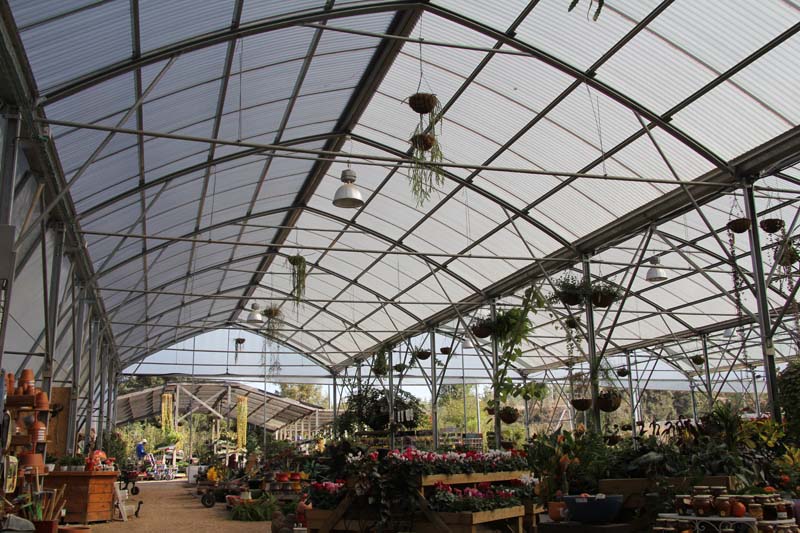
Farm and Garden Structures: Greenhouse builders rely on polycarbonate sheets because they provide excellent plant growing conditions. The sheets maintain stable temperatures while protecting crops from weather damage.
Security and Safety: When you need protection from impacts or forced entry, polycarbonate sheets provide reliable security. They’re much stronger than glass but won’t create dangerous fragments if damaged.
Why Choose Polycarbonate Rolls?
Polycarbonate rolls are long, continuous strips of flexible material wound up for easy handling. Imagine a giant roll of plastic wrap, but much stronger and designed for construction use. These rolls typically come 1 to 2 meters wide and can extend 50 meters or longer.
Rolls are thinner and more flexible than sheets, usually ranging from 0.5mm to 6mm thick. This flexibility allows them to bend and conform to curved surfaces, making them perfect for projects that sheets simply cannot handle.
Main Benefits of Using Rolls
Bends and Curves Easily: The biggest advantage of rolls is their ability to follow curved surfaces. Whether you’re covering a tunnel, creating an arched roof, or wrapping around cylindrical structures, rolls adapt to the shape you need.
Covers Large Areas Without Joints: One roll can cover vast areas without seams or connections. This creates a clean, weatherproof surface that looks professional and performs better than multiple joined pieces.
Saves Time and Money: For big projects, rolls often cost less and install faster than multiple sheets. You spend less time measuring, cutting, and joining pieces, which reduces labor costs significantly.
Easy to Transport and Store: Rolls pack compactly and ship efficiently. A single roll contains much more material than equivalent sheets, reducing shipping costs and storage space requirements.
Where Rolls Work Best
Large Roof Projects: When you need to cover extensive roof areas, rolls provide continuous protection without weak points at joints. This makes them popular for warehouses, agricultural buildings, and industrial facilities.
Curved and Round Structures: Tunnels, arched buildings, and cylindrical structures benefit from the natural flexibility of rolls. The material conforms to curves without stress points or buckling.
Agricultural Tunnels: Farmers use polycarbonate rolls extensively for crop protection tunnels. The continuous coverage creates ideal growing conditions while protecting plants from wind, rain, and pests.
Temporary and Mobile Structures: Event organizers and contractors choose rolls for temporary buildings because they’re quick to install and easy to remove when the project ends.
Understanding the Key Differences
Thickness and Strength
Sheets offer more thickness options, ranging from 2mm for basic applications up to 25mm or more for heavy-duty industrial use. However, going thinner than 3mm for outdoor applications isn’t recommended because the material becomes more vulnerable to weather damage.
Rolls focus on flexibility rather than maximum strength, typically available from 0.5mm to 6mm thick. This thinner profile reduces costs and weight while maintaining adequate strength for most flexible applications.
Installation Methods
Installing Sheets: Each sheet requires individual measurement, cutting, and mounting. For large areas, you’ll need multiple sheets with proper joints and sealing between them. The process takes longer but offers precise control over the final appearance.
Installing Rolls: You unroll the material across the area, cutting to the required length. The process is faster for large areas but requires proper support and tensioning to prevent sagging over time.
Cost Considerations
Material Costs: Sheets typically cost more per square meter due to manufacturing complexity and handling requirements. However, they may reduce overall project costs when precision and minimal waste are important.
Installation Costs: Rolls often save labor costs on large projects because there’s less cutting, measuring, and joining required. However, you might need specialized equipment for handling very large rolls.
Long-term Value: Both options last many years with proper installation and maintenance. Your choice should consider both upfront costs and long-term performance requirements.
Weather Performance
Both materials handle weather extremes well, but their performance varies based on installation methods:
Sheets: Provide excellent wind resistance due to their rigid structure and secure mounting methods. Proper sealing between sheets is essential for weather protection.
Rolls: Excel in applications where thermal expansion and contraction occur, as the flexible material accommodates movement without stress cracking. Continuous coverage eliminates potential leak points.
Choosing the Right Option for Your Project
When to Choose Polycarbonate Sheets
- Structural Requirements: Projects requiring load-bearing capabilities or rigid structural elements.
- Precision Applications: Installations where exact dimensions and precise fitting are critical.
- High-Impact Environments: Applications where maximum impact resistance is required.
- Complex Fabrication: Projects requiring cutting, drilling, or complex shaping.
- Architectural Applications: Where aesthetic precision and consistent appearance are important.
When to Choose Polycarbonate Rolls
- Large Area Coverage: Projects covering extensive areas where continuous coverage is beneficial.
- Curved or Flexible Applications: Installations involving curved surfaces or irregular shapes.
- Cost-Sensitive Projects: Applications where material and installation cost optimization is critical.
- Temporary or Mobile Structures: Projects requiring flexibility and ease of handling.
- Agricultural Applications: Tunnel farming or greenhouse applications where continuous coverage is preferred.
Quality Considerations and Industry Standards
At Pararth Products we ensure all our polycarbonate products meet international quality standards. Our polycarbonate sheeting is warrantied against yellowing, hazing, breakage, ensuring long-term performance and customer satisfaction.
Quality factors to consider include UV stabilization, impact resistance ratings, light transmission properties, and thermal expansion characteristics. Both sheets and rolls should meet relevant ASTM, ISO, or local building code requirements for your specific application.
Innovation and Future Trends
The polycarbonate industry continues to evolve with new innovations in manufacturing processes, surface treatments, and application-specific formulations. Multiwall polycarbonate sheets are quickly becoming the go-to material for a lot of indoor, outdoor, commercial, and industrial construction projects and applications.
Advanced manufacturing techniques are enabling thinner, stronger materials with enhanced optical properties and improved weather resistance. Smart polycarbonate solutions incorporating sensors and responsive materials are emerging for specialized applications.
Environmental Considerations
Both polycarbonate sheets and rolls offer environmental advantages through their durability, recyclability, and energy efficiency benefits. Their long service life reduces replacement frequency, while their excellent insulation properties can contribute to energy savings in building applications.
The lightweight nature of polycarbonate reduces transportation costs and associated carbon footprints compared to glass alternatives. Proper end-of-life recycling programs ensure minimal environmental impact.
Polycarbonate Sheets vs. Rolls: Side-by-Side Comparison
To help you make an informed decision, here’s a detailed comparison table highlighting the key differences between polycarbonate sheets and rolls:
| Feature | Polycarbonate Sheets | Polycarbonate Rolls |
| Thickness Range | 2mm to 25mm+ | 0.5mm to 6mm |
| Standard Sizes | 4×8 feet, 6×10 feet, custom sizes | Width: 1-2 meters, Length: up to 50+ meters |
| Structural Strength | High – excellent load bearing | Moderate – flexible, less rigid |
| Installation Method | Individual panel mounting | Continuous unrolling and fixing |
| Best for Curves | Limited – requires heating/forming | Excellent – naturally flexible |
| Joint Requirements | Multiple joints for large areas | Minimal joints, continuous coverage |
| Cutting on Site | Easy with standard tools | Simple cutting to required lengths |
| Transportation | Requires careful handling, stacking | Compact roll form, easy transport |
| Material Waste | Higher waste with odd-sized areas | Lower waste, cut to exact length |
| Labor Time | Longer for large projects | Faster installation for big areas |
| Cost per sq meter | Generally higher | Generally lower for large quantities |
| Precision Fit | Excellent for exact dimensions | Good but requires proper tensioning |
| Weather Resistance | Excellent with proper sealing | Excellent with continuous coverage |
| Repair/Replacement | Easy to replace individual panels | May require larger section replacement |
| Storage Requirements | Flat storage, more space needed | Compact roll storage |
Making Your Decision
The choice between polycarbonate sheets and rolls ultimately depends on your specific project requirements, budget considerations, and long-term performance expectations. Consider factors such as structural requirements, installation complexity, area coverage needs, and maintenance accessibility.
At Pararth Products our technical experts can help you evaluate your specific requirements and recommend the optimal polycarbonate solution. We offer comprehensive support from initial consultation through installation guidance, ensuring your project’s success.
Whether you choose the structural strength of polycarbonate sheets or the flexible versatility of polycarbonate rolls, you’re investing in a proven material technology that delivers exceptional performance, durability, and value. Contact our team today to discuss your specific requirements and discover how our polycarbonate solutions can enhance your next project.
Conclusion
Both polycarbonate sheets and rolls offer unique advantages that make them suitable for different applications. Sheets provide structural integrity and precision for demanding applications, while rolls offer flexibility and cost-effective coverage for large areas. Understanding these differences and matching them to your specific requirements will ensure optimal project outcomes and long-term satisfaction with your polycarbonate solution.